Detroit Steakhouse Removes Dine-and-Dash Accusation After Customer Shows $24 Receipt
A Detroit woman says she was publicly accused of dining and dashing at a steakhouse despite paying her bill, prompting the restaurant to remove its social media post after she presented a receipt. The dispute has sparked questions about how businesses handle payment delays, customer accusations and public shaming on social media.
What Happened at Capers Steakhouse?
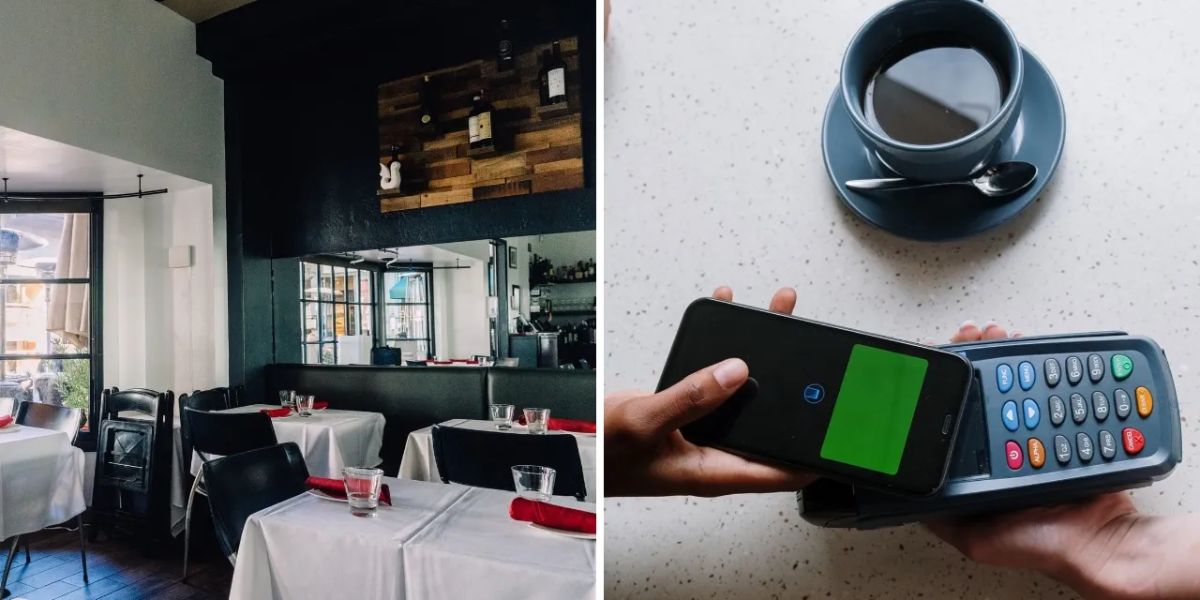
Jenee Almond visited Capers Steakhouse on Detroit’s east side over the weekend, where she ordered catfish and potato skins totaling $24. She says she paid through the Toast app using a QR code at her table before leaving.
According to Fox 2 Detroit, the restaurant later posted surveillance footage of Almond on Facebook, accusing her of leaving without paying. The post reportedly included a message suggesting she could have asked for a meal if she was hungry.
Almond disputed the accusation and presented her receipt to the restaurant.
Key Details of the Dispute
| Detail | Information |
|---|---|
| Restaurant | Capers Steakhouse |
| Location | Detroit, Michigan |
| Customer | Jenee Almond |
| Bill | $24 |
| Payment Method | Toast app via QR code |
| Restaurant’s Accusation | Alleged dine-and-dash |
| Outcome | Facebook post reportedly removed |
Customer Says Online Backlash Was Devastating
Almond said the restaurant’s accusation spread online, exposing her to criticism from social media users.
“I was devastated.”
She reportedly told Fox 2 Detroit after seeing the post and comments directed at her.
Almond said she had waited for everyone in her group to get into their cars before leaving and denied running away without paying.
After presenting her receipt, the restaurant reportedly removed the post. However, Almond says she requested an apology and was subsequently blocked.
What Did the Restaurant Owner Say?
The restaurant owner reportedly told the station that Almond’s payment did not register until approximately an hour after she left. He declined to provide supporting evidence, citing legal concerns.
Almond suggested that the payment processing system may have experienced a delay. The exact timing of the payment registration remains disputed.
What Does Michigan Law Say About Dine-and-Dash Cases?
Michigan law makes it a misdemeanor to obtain restaurant food without paying with the intent to defraud the establishment. Under Michigan Compiled Laws Section 750.292, intent to defraud is an important element of the offense.
The law does not establish that Almond committed any offense, and the dispute described in the reports does not establish criminal wrongdoing by her.
Why the Dispute Matters
The incident highlights how quickly social media accusations can affect a customer’s reputation. Businesses may need to verify payment records and investigate disputes carefully before publicly identifying customers.
Stay Updated with LifeScienceReport.com
For more updates on trending stories, consumer disputes, business news and developments across the United States, visit LifeScienceReport.com. Stay informed with the stories making headlines.