Winter Storm to Bring First Snowfall and Coldest Temperatures in Six Months Across Eastern US
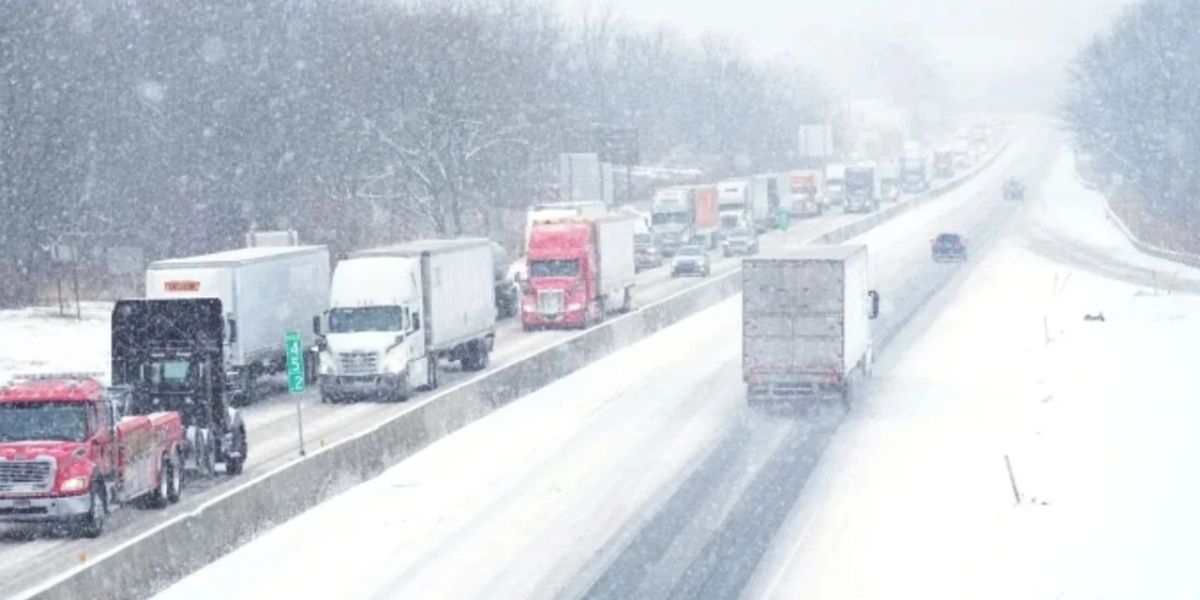
Winter is preparing to make its first major appearance across the eastern United States this week, bringing colder temperatures, mountain snowfall and heavy rain to millions of residents. A developing storm is expected to strengthen into a nor’easter as it approaches the Northeast coast, ending a relatively quiet weather period.
Nearly 200 million people east of the Mississippi River could experience their coldest temperatures since spring as colder air moves south from Canada behind the storm.
Nor’easter Expected to Bring Rain and Snow
The storm is forecast to reach the Northeast on Thursday, with unsettled weather continuing through Friday. Earlier, severe thunderstorms moved across parts of the Ohio Valley, bringing strong winds and hail as large as quarters.
Weather conditions will vary significantly depending on location and elevation.
Key expected developments include:
- Mountain snowfall: Higher elevations in the Interior Northeast and Appalachians could experience their first snowfall of the season.
- Heavy rain: Areas along the Interstate 95 corridor could see prolonged autumn rainfall.
- Strong winds: Breezy conditions may affect coastal communities.
- Coastal flooding: Minor coastal flooding is possible during high tides from New Jersey to southwest Connecticut.
Where Could Snowfall Be Highest?
The Adirondack Mountains in New York and Vermont’s Green Mountains have the strongest chances of receiving more substantial snowfall.
| Region | Expected Weather |
|---|---|
| Adirondack Mountains | 2–6 inches of snow |
| Green Mountains, Vermont | 2–6 inches of snow |
| Northern New England | Light snowfall possible |
| Philadelphia to Boston | Cold autumn rain |
| Central and Southern Appalachians | Wet mountain snow |
The expected snowfall will likely be wet and heavy. This could break tree branches and lead to isolated power outages in some elevated communities.
Lower elevations may experience occasional snowflakes mixing with rain, although significant accumulation is not expected.
Coldest Temperatures Since Spring Expected
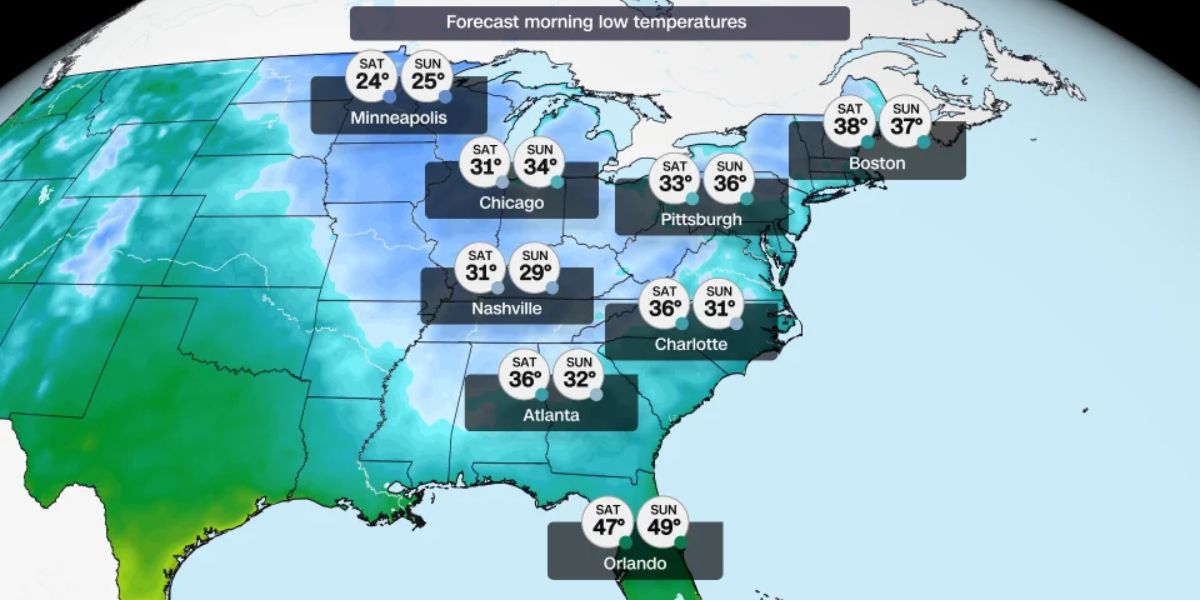
The biggest impact could arrive after the storm moves away. Temperatures across much of the eastern United States are expected to fall 5 to 15 degrees Fahrenheit below average.
Parts of the Deep South could experience freezing temperatures overnight Friday and Saturday. Atlanta and Birmingham may see their first freeze around their typical seasonal timeframe.
Central Florida communities, including Orlando, could also experience temperatures in the 40s for the first time since March.
What Happens After the Cold Snap?
The cold weather is expected to be relatively short-lived. Forecasts indicate that above-average temperatures could return across much of the eastern United States next week.
However, the upcoming temperature changes offer an early reminder that winter weather is approaching, particularly for communities in northern and mountainous regions.
Stay Updated With the Latest Weather News
Weather conditions can change quickly as the storm develops. Residents should monitor local forecasts, prepare for colder temperatures and remain alert to possible travel disruptions.
For more weather updates, breaking news and important developments across the United States, visit LifeScienceReport.com and stay informed.