Polar Vortex Weakens at Record-Early Pace, Raising Chance of Colder U.S. Weather Around Thanksgiving
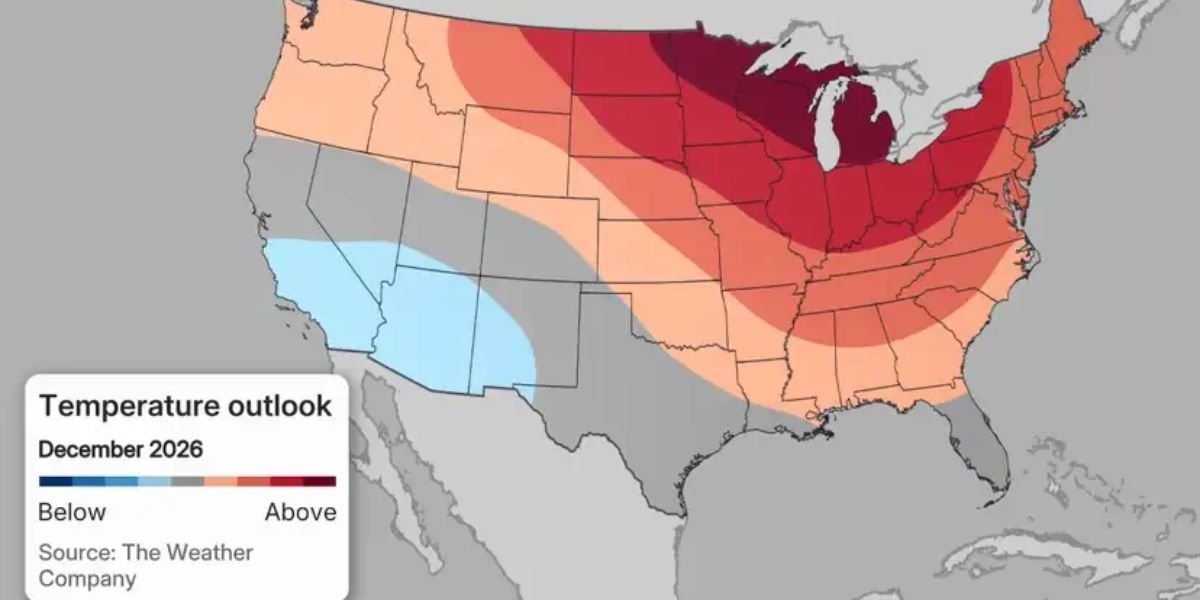
A record-early disruption of the polar vortex could bring a colder weather pattern to parts of the United States beginning around Thanksgiving week. The unusual atmospheric event has weakened the polar vortex and pushed it away from its usual position over the Arctic. Forecasters say the effects could continue into early December, although warmer conditions may return later in the month.
What Is the Polar Vortex?
The polar vortex is a large area of low pressure and cold air circulating high above the Arctic. It forms in the stratosphere, approximately 4 to 31 miles above Earth’s surface.
When the vortex remains strong and stable, it generally helps keep the coldest Arctic air farther north. However, when it weakens or becomes distorted, atmospheric patterns can change and allow colder air to move toward parts of the United States.
The term became widely recognized during the January 2014 cold outbreak, although scientists have studied the phenomenon for much longer.
Why Is the Latest Polar Vortex Event Unusual?
In early November 2026, the polar vortex weakened significantly, shifted away from the North Pole and stretched out of its typical circular shape.
This disruption was associated with a phenomenon called Sudden Stratospheric Warming (SSW). During these events, temperatures high in the atmosphere can rise by 50 to 70 degrees or more within days.
According to historical records dating back to 1958, this was the earliest major sudden stratospheric warming event of its kind. Only two other major events occurred in November, in 1958 and 1968.
How Could This Affect U.S. Weather?
A weakened polar vortex can influence the jet stream and potentially create atmospheric blocking patterns that allow colder air to remain over certain regions.
One possible development is a Greenland blocking pattern, which could encourage colder conditions across the eastern United States.
Key Weather Developments to Watch:
- Colder air could reach parts of the northern United States around Thanksgiving.
- Some regions may experience cooler conditions into early December.
- Atmospheric blocking could influence how long cold air remains in place.
- Warmer weather may return later in December.
Important Factors That Could Limit the Cold
| Weather Factor | Potential Impact |
|---|---|
| Weak Polar Vortex | Could support colder patterns |
| Greenland Blocking | May push cold air eastward |
| Low Snow Cover | Less cooling of incoming air |
| Strong El Niño | Could favor warmer northern conditions |
Matthew Williams, an energy meteorologist at The Weather Company, noted that North American snow cover was the third lowest for this time of year in 28 years. This could make it harder for cold air to maintain its strength after moving south.
A potentially record-strong El Niño could also influence the broader winter pattern.
What Should Americans Do Before Thanksgiving?
With forecasts still uncertain, residents in potentially affected areas may want to prepare for a temporary temperature drop.
Consider taking these precautions:
- Disconnect outdoor hoses and shut off water to exterior faucets.
- Complete remaining yard cleanup before colder weather arrives.
- Check heating systems and weatherproof exposed pipes.
- Follow local weather forecasts for updated temperature warnings.
Conclusion
The record-early polar vortex disruption could increase the possibility of colder weather across parts of the United States around Thanksgiving and into early December. However, El Niño, limited snow cover and other atmospheric conditions may eventually encourage warmer temperatures later in December. The forecast remains uncertain, so residents should continue monitoring local updates.
Stay Updated with LifeScienceReport.com
For the latest weather developments, science updates and important news stories, visit LifeScienceReport.com. Stay informed with timely updates and stories that matter.
Editorial note: This article is based on the supplied report. Forecast projections are not guarantees; readers should check official local weather advisories. Verify the historical record and current forecast details against the original meteorological source before publication.