Cape Cod’s New 18-Inch Gas Pipeline Sparks Climate Concerns Despite Enbridge’s No-Expansion Claim
Plans to install a larger natural gas pipeline beneath the Cape Cod Canal in Massachusetts are raising concerns among environmental advocates, who fear the new infrastructure could make future gas expansion easier. The project is tied to the replacement of the aging Sagamore and Bourne bridges, but its size, pressure capacity and taxpayer-funded cost have sparked debate over the region’s long-term energy future.
Why Is a Larger Pipeline Being Built?
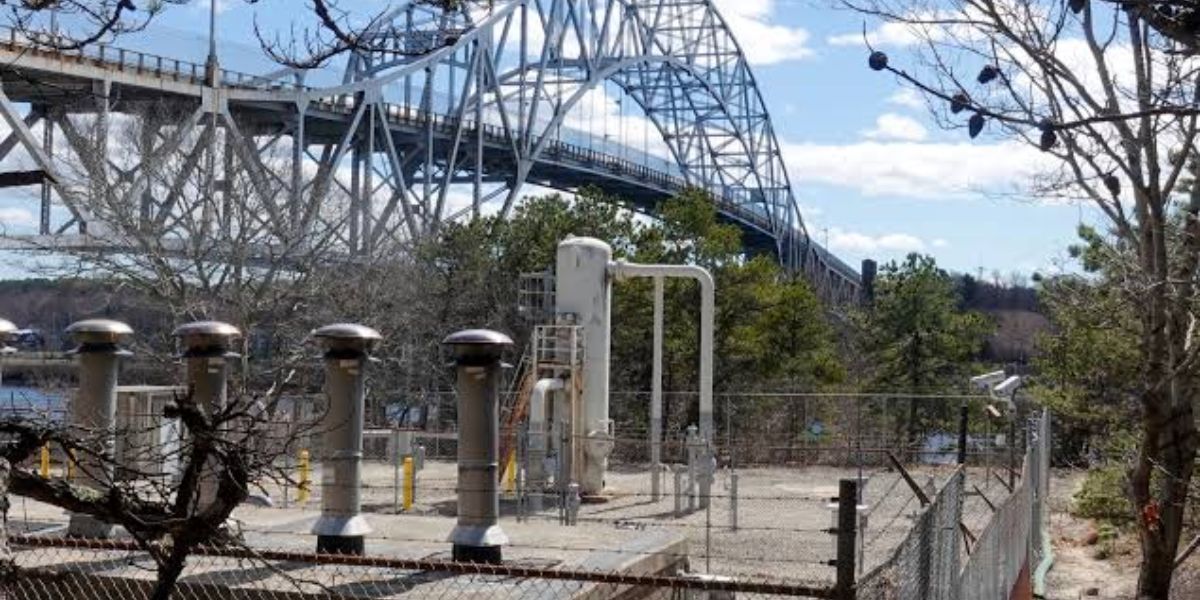
Algonquin Gas Transmission plans to replace two existing 10-inch gas pipelines attached to the bridges with a single six-mile, 18-inch pipeline beneath the canal. The existing lines supply natural gas to more than 100,000 National Grid customers on Cape Cod.
The Massachusetts Department of Transportation is expected to reimburse the company approximately $302 million for relocating the infrastructure so bridge demolition and reconstruction can proceed.
According to Enbridge, the replacement is necessary to maintain existing gas delivery capabilities rather than expand supply.
Key Details of the Pipeline Project
| Project Detail | Information |
|---|---|
| Pipeline Owner | Algonquin Gas Transmission |
| Parent Company | Enbridge |
| Location | Cape Cod Canal, Massachusetts |
| Existing Pipelines | Two 10-inch lines |
| Proposed Pipeline | Single 18-inch pipeline |
| Length | Approximately 6 miles |
| Project Cost | $302 million |
| Funding | Massachusetts transportation reimbursement |
| Construction Target | Spring 2027 |
Why Are Environmental Advocates Concerned?
Environmental groups argue that a larger pipeline with higher pressure capabilities could potentially allow more natural gas to flow through the system in the future.
The Sierra Club’s Cape Cod and Islands Group wants the Cape Cod Commission to ensure that the project does not become a pathway for increasing gas deliveries.
Chris Powicki, executive committee chair of the group, expressed concern about the infrastructure’s future potential.
“Enbridge says it’s not an expansion because we’re not allowed to deliver any more gas,” Powicki said, according to CommonWealth Beacon. “And our point is, well, you build a bigger pipeline, you could.”
Environmental advocates argue that additional fossil fuel infrastructure could complicate efforts to reduce emissions and transition to cleaner energy.
What Does Enbridge Say?
Enbridge spokesperson Melissa Sherburne maintains that the pipeline is not designed to increase capacity.
“project is not designed to, and will not, increase capacity.”
The Federal Energy Regulatory Commission approved the project, determining that the pipeline was appropriately sized for existing contracted service. Any future increase in gas deliveries would require separate regulatory approvals.
What Happens Next?
Construction is planned for spring 2027, while environmental advocates continue raising concerns about the project’s long-term implications. The Cape Cod Commission has limited authority over the federally approved pipeline, leaving key decisions under federal jurisdiction.
The debate highlights the tension between replacing aging infrastructure and achieving climate goals.
Stay Updated with LifeScienceReport.com
For more updates on environmental issues, infrastructure projects, energy developments and major news stories, visit LifeScienceReport.com. Stay informed about the developments shaping communities and the environment.