California’s Massive 34-Foot Waves Trigger Beach Closures and Coastal Safety Warnings
California’s coastline has faced dangerous surf conditions as powerful Pacific storms sent massive waves toward coastal communities during November. Beach and pier closures, coastal flooding and warnings about sneaker waves prompted officials to urge residents and tourists to stay away from exposed shorelines. A massive offshore wave reading near Monterey highlighted the intensity of the storm-driven swells affecting parts of the state.
Monterey Buoy Records an Extraordinary Wave
An offshore buoy near Monterey recorded a wave-height reading of 34.1 feet on November 13, 2026. Meteorologist Jesse Ferrell reportedly described the reading as the location’s highest in roughly 30 years, surpassing a previous 32.8-foot mark recorded in 2008.
The measurement came from offshore monitoring equipment rather than a breaking wave directly on the beach, but it demonstrated the strength of the Pacific swell.
California Coastal Storm: Key Details
| Event | Details |
|---|---|
| Offshore wave reading | 34.1 feet |
| Location | Near Monterey, California |
| Recorded | November 13, 2026 |
| Previous reported mark | 32.8 feet in 2008 |
| Affected areas | Pacifica, Central Coast and other coastal locations |
| Major risks | Flooding, rip currents and sneaker waves |
Pacifica and Central Coast Face Dangerous Surf
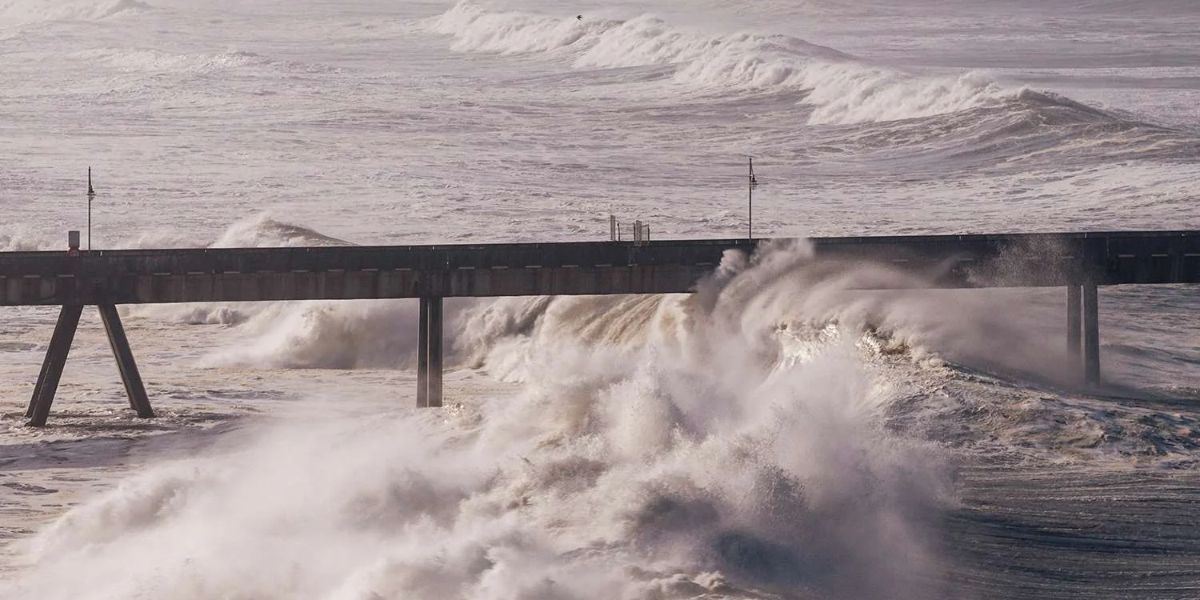
Pacifica experienced dramatic wave activity as water surged over seawalls during the storm period. Meanwhile, San Luis Obispo and Santa Barbara counties faced forecasts of breaking waves between 10 and 18 feet, with occasional sets reaching 18 to 22 feet.
The National Weather Service warned about hazardous surf, strong rip currents and sneaker waves capable of sweeping people into the ocean.
Why Sneaker Waves and Rip Currents Are Dangerous
Sneaker waves can suddenly surge much farther up the beach than expected, catching people who believe they are standing safely away from the water. Rip currents can also pull swimmers away from shore.
The National Weather Service advised beachgoers to stay out of dangerous waters and away from exposed coastal structures.
Safety recommendations include:
- Stay away from rocks, seawalls and exposed piers.
- Never turn your back on the ocean.
- Avoid entering the water during high surf warnings.
- Check local weather and tide alerts before visiting beaches.
Officials Warn Visitors to Stay Away
The National Weather Service warned that large breaking waves could overpower swimmers and sweep people from beaches, rocks and jetties. Officials urged residents to avoid hazardous shorelines and follow local closures.
“Never turn your back on the ocean.”
The warning is particularly important during storm-driven surf, when waves can reach areas that appear safe under normal conditions.
More High Tides Could Increase Coastal Flooding
California could face additional coastal flooding risks during periods of elevated tides. Large waves combined with above-normal water levels may affect waterfront roads, walkways and low-lying communities.
Residents and visitors should monitor updated weather forecasts before planning coastal trips.
Stay Updated with LifeScienceReport.com
For more updates on extreme weather, coastal hazards, public safety and major developments across the United States, visit LifeScienceReport.com. Stay informed with the latest stories that matter.