
Michigan Families Spend $17,000 a Year on Transportation as Advocates Urge Governor-Elect to Expand Alternatives
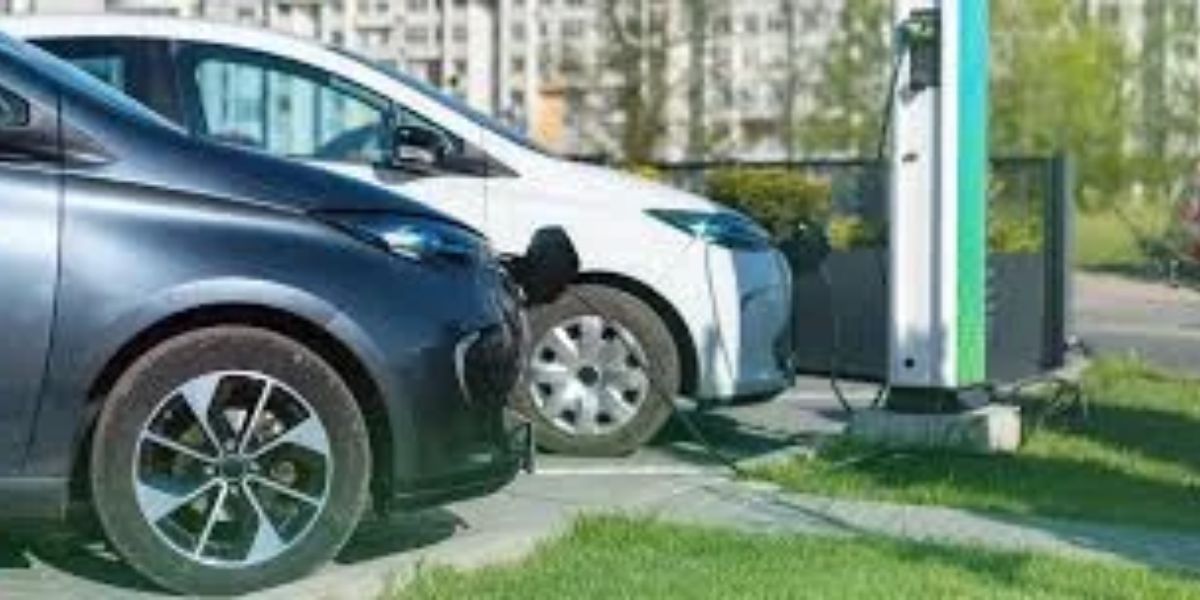
Michigan families with two gasoline-powered vehicles may spend approximately $17,000 annually on transportation, according to a policy brief from the Natural Resources Defense Council (NRDC). The organization is urging Governor-elect Jocelyn Benson and state lawmakers to expand public transit, electric vehicle charging and other transportation options to help households reduce expenses as the state’s next administration prepares to take office.
Michigan Families Face $17,000 in Annual Transportation Costs
The NRDC estimates that a typical Michigan household with two gasoline-powered vehicles spends around $17,000 annually on car payments, fuel, maintenance and insurance. The organization compares that amount with household income, highlighting how transportation can consume a significant portion of a family’s budget.
According to the group’s analysis, transportation is Michigan households’ second-largest expense after housing. However, the estimate represents a modeled two-car household rather than the spending of every Michigan resident.
Key Transportation Cost Estimates
| Key Detail | Estimated Figure |
|---|---|
| Annual transportation expenses | $17,000 |
| Gas-powered vehicles per modeled household | 2 |
| Estimated median household income used in comparison | $72,000 |
| Savings from replacing one gas car with an EV | $600 annually |
| Estimated lifetime savings from one EV replacement | $7,000 |
| Potential annual savings with one EV and alternative travel | $4,000 |
| Potential lifetime savings under the second scenario | $50,300 |
NRDC Calls for Four Transportation Policy Changes
In its November policy brief, the Natural Resources Defense Council outlined four recommendations for Michigan’s incoming administration:
- Transportation funding reform: Revise Act 51 to prioritize investments in public transit, walking and cycling infrastructure.
- More EV charging stations: Accelerate the installation of public charging equipment throughout Michigan.
- Electric commercial vehicles: Continue supporting grants that help fleets transition from diesel trucks to electric vehicles.
- Government fleet electrification: Expand the transition of state-owned vehicles toward electric models.
The proposals are intended to make transportation more affordable while supporting cleaner transportation infrastructure.
Electric Vehicles and Transit Could Reduce Household Expenses
The NRDC estimates that replacing one gasoline-powered vehicle with an electric model could save a household approximately $600 annually. Its broader scenario assumes a family switches to one electric vehicle and reduces driving by 20% through alternatives such as public transit, e-bikes and ride-hailing.
Under that model, annual savings could reach approximately $4,000, with estimated cumulative savings of $50,300 over a vehicle’s average lifespan.
These projections depend on factors such as electricity prices, vehicle purchase costs, insurance, mileage and access to reliable transportation alternatives.
Advocates Say Michigan Needs More Affordable Travel Options
Abby Clark, NRDC’s Michigan director of government affairs, called for greater access to transportation alternatives in a statement reported by Michigan news outlets.
“High gas and diesel prices have been extremely hard on Michigan families, and we need to do more to provide affordable options.”
Clark argued that reliable transit, safer walking and biking routes, and access to electric vehicles could help residents become less vulnerable to fluctuating fuel prices.
What Happens Next?
Governor-elect Jocelyn Benson is expected to take office in January 2027. The NRDC’s recommendations remain proposals, and implementing them would require decisions by state officials, lawmakers and transportation agencies.
Whether Michigan families experience meaningful savings will depend on future investments, policy changes and the availability of transportation options in their communities.
Stay Updated with LifeScienceReport.com
For more news about transportation, affordability, government policy and major developments across the United States, visit LifeScienceReport.com. Stay informed with the latest stories and updates.