
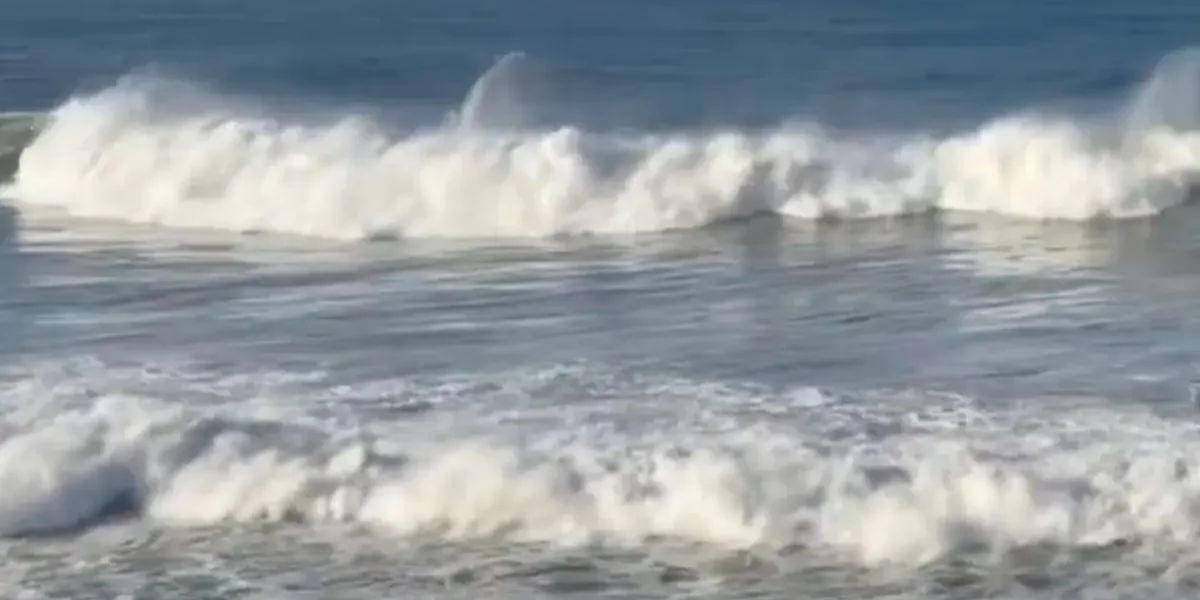
Northern California Waves Surge Above 60 Feet as Weather Officials Warn Beachgoers to Stay Away
Powerful waves battered Northern California’s coastline on Saturday, prompting the National Weather Service (NWS) to issue an urgent warning for residents and visitors to stay away from beaches. Forecasters warned that some exposed coastal areas could experience waves exceeding 40 feet, with individual sets potentially rising above 60 feet.
The dangerous conditions were linked to a series of powerful storms moving toward the West Coast, bringing heavy rain, strong winds and hazardous ocean conditions.
National Weather Service Issues Urgent Beach Warning
The National Weather Service’s Bay Area office strongly advised people to avoid beaches and coastal areas as dangerous surf conditions intensified.
In a warning shared on X, forecasters reported that ocean buoy 46042 had recorded waves measuring 32 feet with a 21-second interval.
The agency warned:
“DO NOT GO TO THE BEACH/COAST TODAY.”
Officials explained that fully exposed beaches could experience waves exceeding 40 feet, with some sets potentially rising above 60 feet.
They also encouraged people to watch coastal conditions through webcams and local news rather than approaching the water.
Massive Waves Surprise Pacifica Beachgoers
Conditions were particularly dramatic in Pacifica, a coastal city in San Mateo County.
A video circulating online showed a powerful wave surging over a seawall, sending nearby onlookers running away from the rushing water.
The National Weather Service later repeated its warning, writing:
“No selfie is worth risking your life.”
The dangerous surf also appeared to threaten a Taco Bell restaurant near the Pacifica coastline, prompting humorous reactions on social media.
Key Details About California’s Dangerous Surf
| Weather Detail | Reported Information |
|---|---|
| Affected Region | Northern California Coast |
| Buoy Reading | 32 feet |
| Wave Period | 21 seconds |
| Potential Wave Height | 40+ feet |
| Largest Wave Sets | 60+ feet |
| Main Concern | Dangerous surf and coastal flooding |
Storm System Also Targets Southern California
The storm system is expected to affect several western states, including California, Oregon and Washington.
Meteorologist Max Velocity described the developing weather pattern as a “giant train of storms,” bringing the potential for heavy rainfall, mountain snow and strong winds.
The National Weather Service also issued a high surf advisory for Los Angeles County, with waves expected to reach 7 to 12 feet on Saturday.
Meteorologist Sebastian Westerink of the NWS San Diego office previously explained that Southern California could receive repeated rounds of rainfall from the approaching storm systems.
Recent Wave Incident Raises Safety Concerns
The warnings come after a recent incident in which a 24-year-old woman disappeared after powerful waves swept her and her friends into the water following a beach bonfire gathering.
The incident highlights how quickly coastal conditions can become dangerous, even when people are standing on the beach.
What Beachgoers Should Know
- Stay away from exposed beaches and rocky shorelines during dangerous surf.
- Never turn your back on incoming waves.
- Avoid seawalls and coastal promenades during high surf.
- Follow National Weather Service alerts and local emergency instructions.
- Watch coastal conditions through official webcams instead of approaching the water.
Conclusion
Northern California’s powerful waves demonstrate how quickly storm conditions can turn coastal areas into dangerous places. With additional storms approaching and hazardous surf affecting multiple regions, officials are urging people to prioritize safety and avoid unnecessary trips to the shoreline.
Stay Updated with LifeScienceReport.com
For more breaking weather news, severe storm updates and important developments across the United States, visit LifeScienceReport.com. Stay informed and keep up with the latest stories that matter.
Editorial note: This draft is based on the information supplied. Verify the original NWS alerts and current advisory dates before publication. The quoted statements are attributed to their reported sources.