
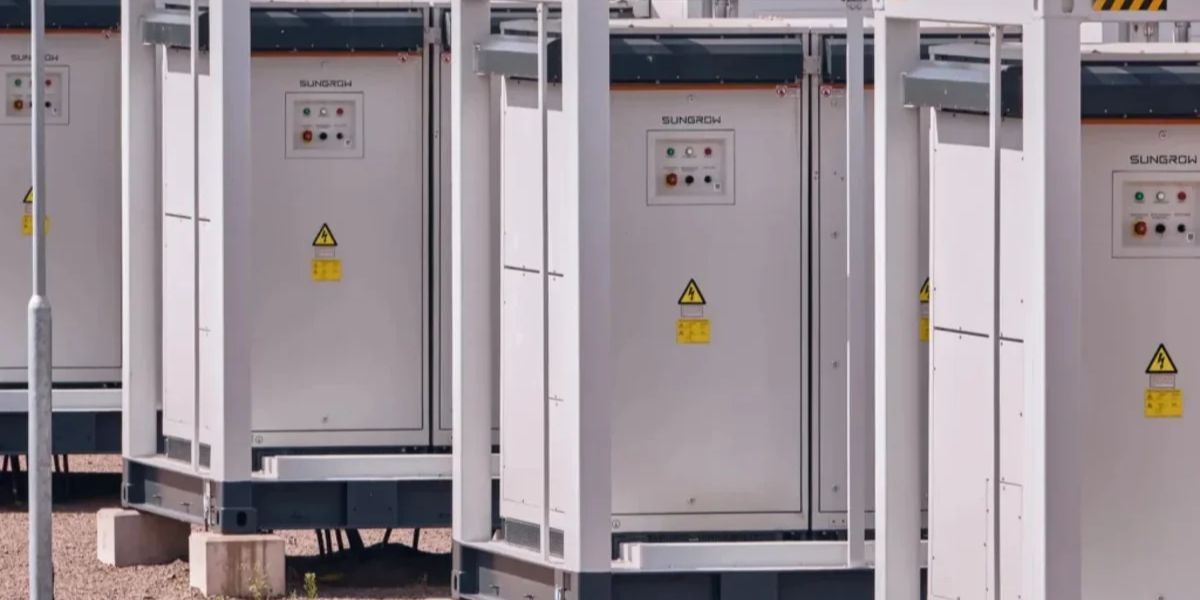
Washington Residents Challenge Battery Storage Projects Over Fire Safety Concerns
Washington communities are raising concerns about large-scale battery storage facilities near residential neighborhoods, as utilities push to expand electricity storage capacity to meet growing energy demand.
The debate has become particularly visible in Snoqualmie, where residents are opposing a proposed battery project near homes, recreational areas, and local infrastructure. While developers say battery storage is important for grid reliability and renewable energy, residents want stronger safety protections, emergency planning, and environmental safeguards before construction moves forward.
Washington Cities Raise Concerns About Battery Storage
Several Washington communities, including Snoqualmie, North Bend, Carnation, and Duvall, have adopted or considered temporary restrictions on large battery energy storage systems (BESS).
These facilities store electricity in rechargeable batteries and release it when demand increases.
Local governments say additional time is needed to examine potential risks and establish appropriate regulations.
Key concerns include:
- Fire risks associated with lithium-ion batteries.
- Smoke and potential environmental contamination.
- Emergency response and evacuation planning.
- Distance from homes, schools, and recreational areas.
Why Lithium-Ion Battery Fires Are a Major Concern
Lithium-ion batteries can experience a process called thermal runaway, in which overheating triggers a chemical reaction that can spread between battery cells. Such incidents may produce intense heat, smoke, and challenging firefighting conditions.
A January 2025 fire at California’s Moss Landing battery storage facility increased public concerns after researchers detected battery-related metal deposits in nearby wetlands.
Residents are asking developers and regulators to explain how facilities will manage fire emergencies, contaminated water, and potential exposure to smoke.
New Technology Aims to Improve Battery Safety
Developers argue that modern battery installations include improved monitoring systems, separated battery containers, and safety equipment designed to limit incidents.
According to research attributed to the Electric Power Research Institute, the annual failure rate of U.S. battery storage systems declined by 97% between 2018 and 2025, measured per gigawatt-hour of deployed capacity.
However, improved safety technology does not completely eliminate potential risks.
Important Details About Washington’s Battery Storage Debate
| Key Detail | Information |
|---|---|
| Proposed Project | Cascadia Ridge |
| Developer | Jupiter Power |
| Planned Capacity | Approximately 130 MW |
| Project Location | Near Snoqualmie, Washington |
| Permitting Authority | Washington State Energy Facility Site Evaluation Council |
| Utility Storage Goal | 1,500 MW by 2030 for Puget Sound Energy |
Why Developers Say Battery Projects Are Necessary
Jupiter Power argues that battery facilities need access to existing electrical substations to connect efficiently to the power grid.
The company identified 157 potentially suitable substations in King County, saying each was within a quarter mile of a sensitive location, such as a school, hospital, daycare, or natural area.
Meanwhile, Puget Sound Energy is working toward expanding energy storage capacity to support electricity demand and renewable energy integration.
What Happens Next for the Snoqualmie Project?
Jupiter Power withdrew its King County permitting application in August 2026 and announced plans to pursue state-level approval. Its formal state application had not yet been filed, according to the supplied project information.
Snoqualmie officials and residents intend to participate in the regulatory process and raise concerns about emergency access, environmental protection, and public safety.
The debate highlights the challenge of balancing electricity infrastructure expansion with neighborhood concerns.
Stay Updated With LifeScienceReport.com
For more updates on energy, technology, environmental developments, and important news stories, visit LifeScienceReport.com. Stay informed with the latest developments and stories that matter.